Expression Lab
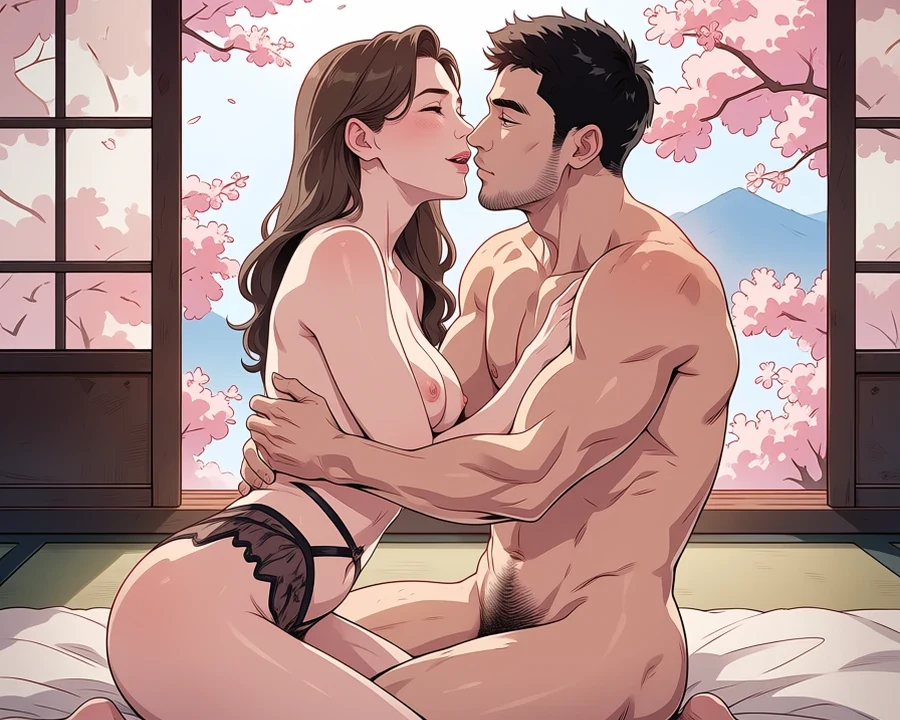
In a sequence, a character has to remain the same person while their face changes. Regenerating from a modified prompt gives you a different person wearing a different feeling. This changes the expression and nothing else.
Small changes read louder
A slight narrowing of the eyes reads as suspicion. A fully open mouth reads as cartoon shock. Most storytelling happens in the small range - And the small range is exactly what a prompt rewrite cannot hit reliably.
- Aim for the smallest change that reads.
- Big expressions are easy and usually wrong.
- Subtlety is the point. It is also the thing rewriting a prompt destroys.
Describe muscles, not feelings
Name the movement, not the emotion. 'Eyebrows drawn together, mouth slightly open' beats 'worried', because the first says what to draw and the second asks the model to infer.
Say this
Brows lowered, jaw tight, eyes fixed. Concrete and drawable.
Not this
Angry, upset, moody. The model has to guess, and it guesses generically.
Why it works
Training captions describe visible features, so visible features are the vocabulary a model actually knows.
Building a sequence
Keep one base image and produce each panel's expression from it. That holds identity far better than generating each panel independently, and it pairs naturally with Panel Maker.
One character, three beats
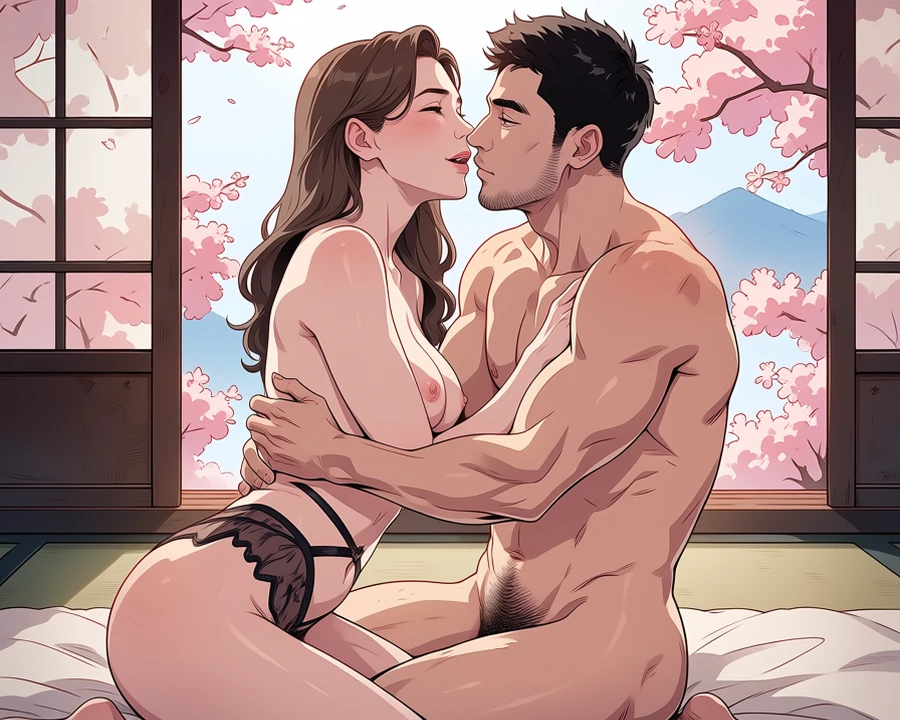

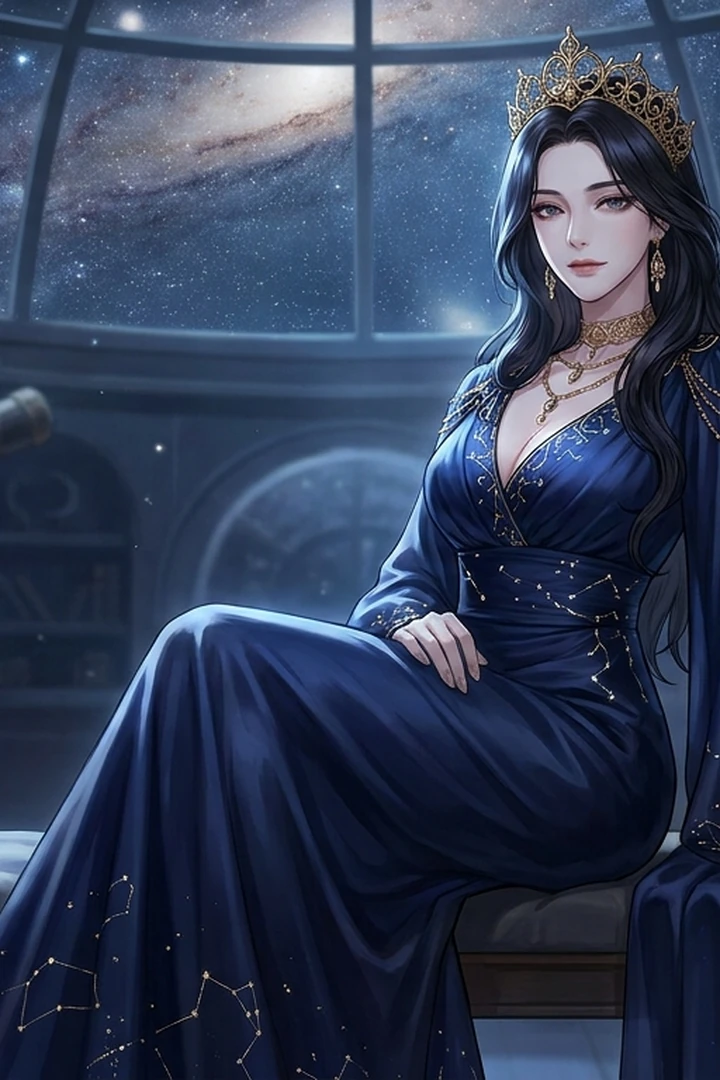
Real before-and-after pairs, one per case. Source photographs are genuine API output; the conversions here were rendered with a stand-in model while the converter's provider was unavailable, so treat them as style references rather than shipped-tool output.
Worked example: a subtle shift for panel three of a sequence
| Input | Your base character image |
|---|---|
| Preserved | Hair, outfit, pose, background |
| Cost | 5 credits |
| Best for | Sequences - See Panel Maker |
The exact instruction
brows drawn slightly together, eyes narrowed a little, mouth closed and tight, everything else unchanged
What comes back
A small, readable change. Describing the muscle movement rather than naming 'worried' is what keeps it subtle - Emotion words tend to produce the cartoon version of the feeling.
When it goes wrong
| What you see | Why | What to change |
|---|---|---|
| The expression is too big | An emotion word was used | Describe brow, eye and mouth position instead |
| The hair shifted | The instruction was too broad | Add 'everything else unchanged' |
| It reads as a different person | Large expression changes drift the face | Make smaller changes across more panels |
Common questions
Can I use this for a comic sequence?
That is exactly what it is for. Keep one base image and produce each panel's expression from it.
Does it change the hair or outfit?
No. Everything except the face is held constant.
How do I get a subtle expression?
Describe the muscle movement rather than naming the emotion.
Where to go next
This tool is usually used alongside change the body too, assemble the sequence and consistency across panels.