The prompt blueprint
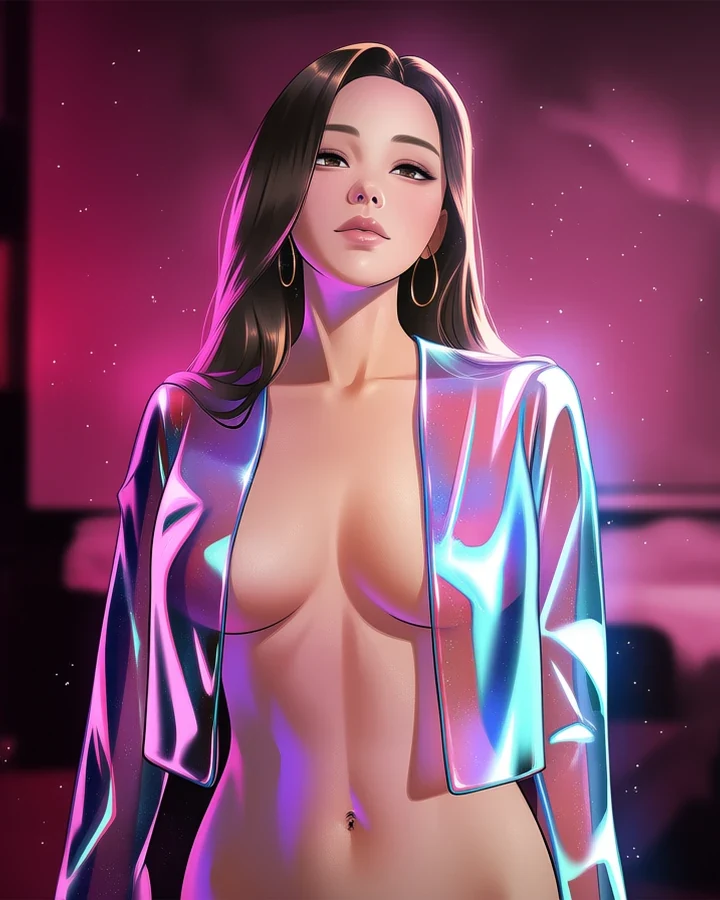
Anime models read a prompt roughly in order, weighting earlier terms more heavily. That single fact explains most of what seems arbitrary about prompting - And it means the order you write in matters as much as the words you pick.
The four parts, in order
Write in this sequence and the model's attention lands where you want it.
1. Quality tags
A short set - 'masterpiece, best quality, highres'. Two or three is plenty. Stacking ten does not compound.
2. Subject
Who is in the picture and what they look like. The most important part, and the one people consistently under-write.
3. Setting
Where they are and what the light is doing. Light direction belongs here and is the most commonly forgotten element on the whole page.
4. Camera
Distance and angle. 'Close-up, low angle' is three words and changes the image more than most adjectives - See the camera guide.
Why adjective stacking fails
'Beautiful, gorgeous, stunning, perfect, masterpiece' are near-synonyms competing for the same attention.
- The model averages them into its default attractive face.
- One concrete unusual detail moves the output more than five compliments.
- Compliments describe your reaction. Models can only draw what is visible.
Change one part at a time
When something is wrong, resist rewriting everything. Change one section, keep the seed, and observe what moved. This is slower for a single image and much faster across ten, because you actually learn what each part does. Practise it in the studio.
A reusable formula
Start from the story beat, not the setting. "Two colleagues stay late" is a place; "two colleagues realise neither wants to leave" gives gaze, distance, and light a job. Then write the clauses in a fixed order:
- Adult subject and stable identity → action and relationship → wardrobe → environment → framing → light → medium and finish → exclusions.
- Keep each clause concrete and delete anything that does not change the image.
- Name the source of light instead of stacking vague words like "cinematic" - Warm practicals feel private, flat noon feels exposed, neon reflections add friction.
Common questions
How long should a prompt be?
Long enough to be specific, short enough that every phrase does work. Forty well-chosen words beat two hundred hedging ones.
Do quality tags actually help?
A few do, because they appear in training captions. The effect plateaus quickly and stacking more adds nothing.
Does word order really matter?
Yes. Earlier terms carry more weight. Moving a phrase to the front is a real change, not a cosmetic one.
Where to go next
This guide pairs with what to exclude, camera language and try it in the studio.