Choosing between Anima Turbo and WAI Illustrious for hentai art
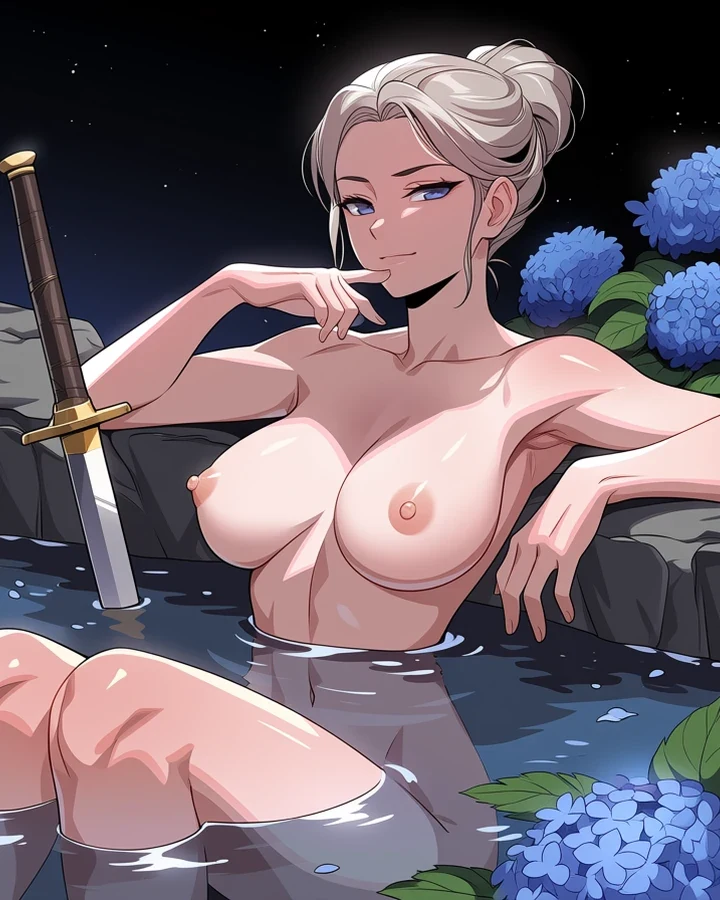
Every model has a temperament. Choosing well matters more than any other setting on the page, so it is worth ten minutes to understand the difference before you spend credits finding out the hard way.
The practical difference
Speed and structure trade against each other. Neither model is better; they fail in different places.
| Anima Turbo | WAI Illustrious | |
|---|---|---|
| Steps | 10 | 28 |
| Time per image | ~10 seconds | ~40 seconds |
| Guidance (CFG) | 1.0 | 7.0 |
| Anatomy under pressure | Drifts | Holds |
| Best for | Exploring a direction | Finishing a chosen image |
How each one fails
Knowing the failure mode tells you which to reach for.
Turbo fills gaps
Give it a vague prompt and it invents confidently. Excellent for discovery, unreliable when you need precision. The blueprint covers how to be specific.
Illustrious obeys
It follows an explicit prompt closely, which means a vague prompt gets you a literal, slightly flat result.
Both struggle with hands
Poses where hands are occluded or resting on something succeed far more often than open, splayed hands.
The two-stage workflow
Explore on Turbo until composition and character are right. Note the seed. Reproduce on Illustrious for the final. The seed carries between models, so you refine a chosen image instead of starting a new search.
Common questions
Which model is best for beginners?
Anima Turbo. Fast feedback teaches you how a model reads your wording far quicker than slow renders do.
Does a slower model always look better?
No. On a simple portrait the difference is small. It widens on complex poses, multiple figures, and detailed clothing.
Does the seed transfer between models?
Yes, and composition stays broadly similar. That is what makes the two-stage workflow work.
Where to go next
Continue with try a model, model style guide and credit costs.